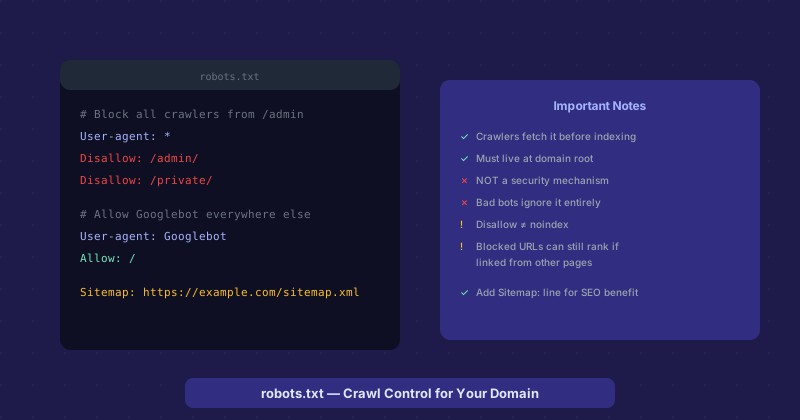
What is a robots.txt File and What Does It Actually Control
robots.txt tells search engine crawlers which parts of your site to skip. It is widely misunderstood — here is what it does, what it does not do, and how to write one properly.
Read moreGuides, tutorials, and insights on web hosting, DNS, domains, and website infrastructure.
robots.txt tells search engine crawlers which parts of your site to skip. It is widely misunderstood — here is what it does, what it does not do, and how to write one properly.
Read more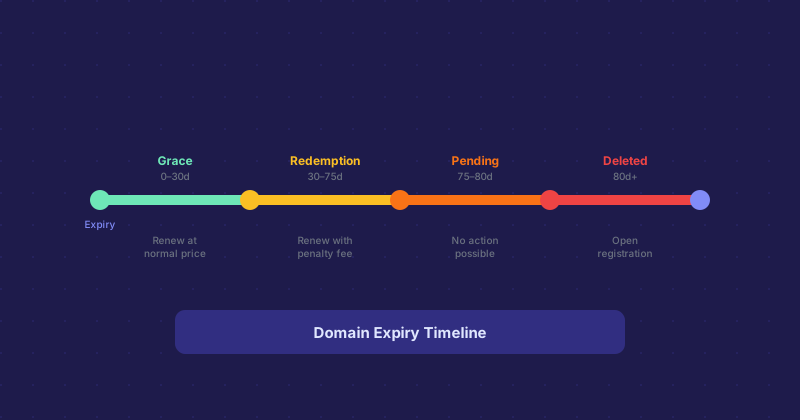
Domain expiry is not instant deletion. There are multiple stages and windows for recovery. Here is the full timeline.
Read more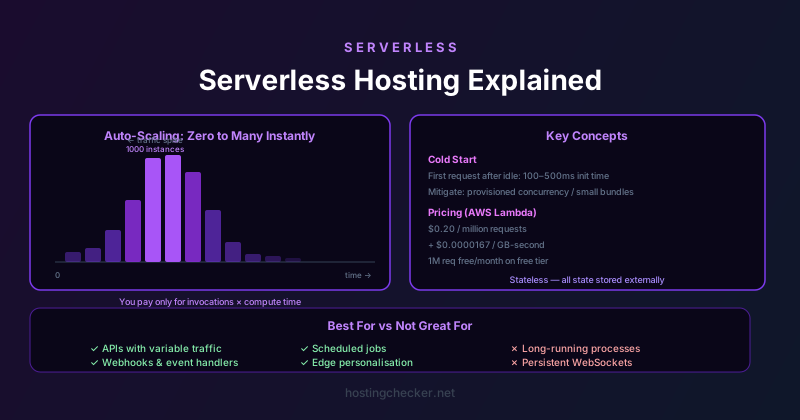
Serverless hosting means no servers to manage, but it's not magic. Learn how functions-as-a-service work, cold starts, pricing models, and what types of applications actually benefit.
Read more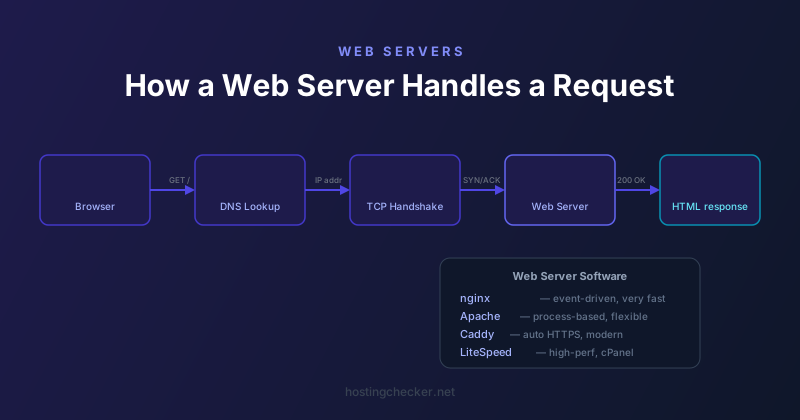
What actually happens when a browser makes an HTTP request? This guide walks through the full lifecycle from DNS lookup to HTML response and explains how nginx and Apache differ.
Read more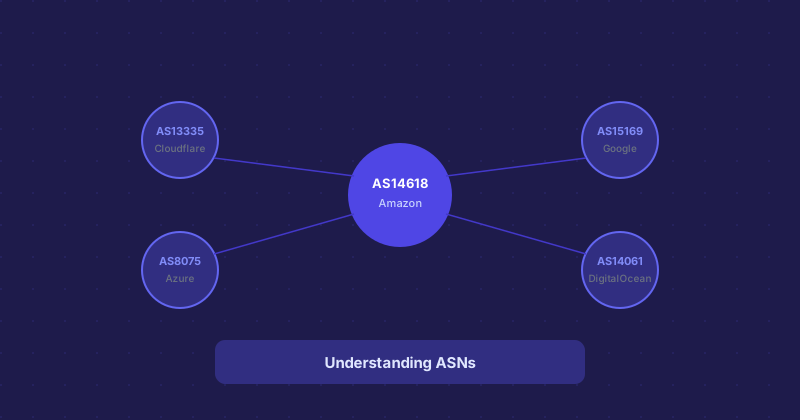
Autonomous System Numbers identify the organization that owns an IP block. Here is what they mean and why hosting checkers use them.
Read more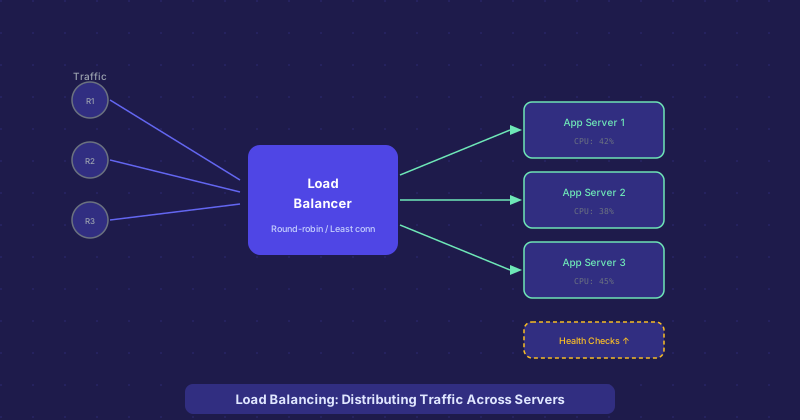
Load balancing distributes requests across multiple servers to prevent any one from becoming a bottleneck. Here is how the different algorithms work.
Read more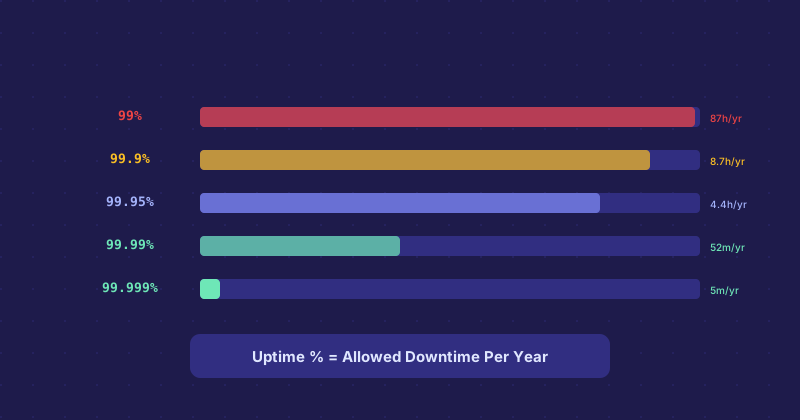
Every host promises high uptime. Here is how to read those numbers, what the SLA actually guarantees, and what to look for beyond the marketing claim.
Read more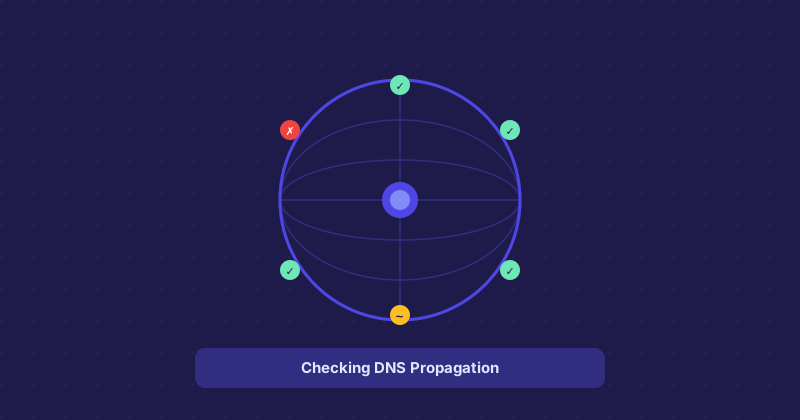
DNS propagation can take time and checking it correctly saves a lot of confusion. Here is how to do it properly.
Read more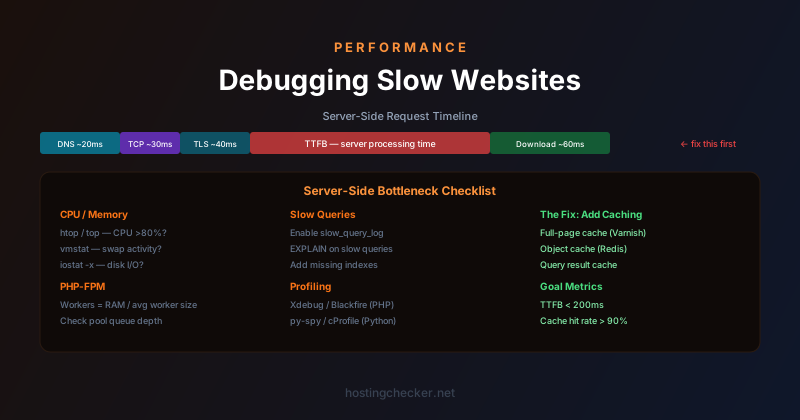
A slow website is a symptoms, not a diagnosis. Learn how to work through server-side performance bottlenecks systematically — from TTFB to database queries to server resource exhaustion.
Read more