
What is Domain Age and Why SEO People Keep Talking About It
Domain age is the time since a domain was first registered. Here is what it actually affects in SEO and what it does not.
Read moreGuides, tutorials, and insights on web hosting, DNS, domains, and website infrastructure.
Domain age is the time since a domain was first registered. Here is what it actually affects in SEO and what it does not.
Read more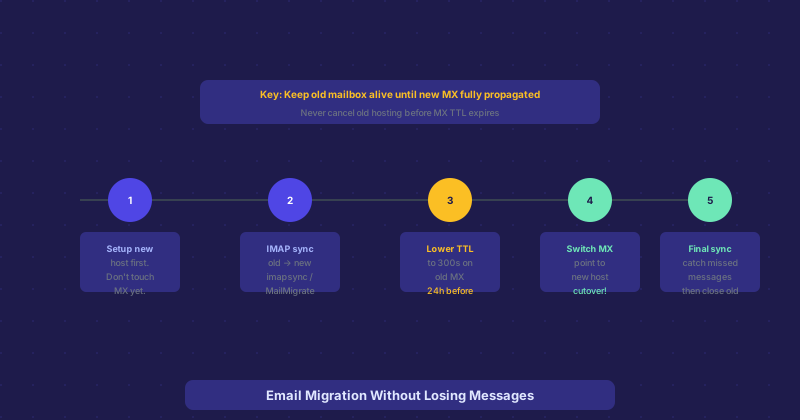
Moving email between providers without losing mail requires a specific sequence of steps. Get the order wrong and messages disappear. Here is the right way.
Read more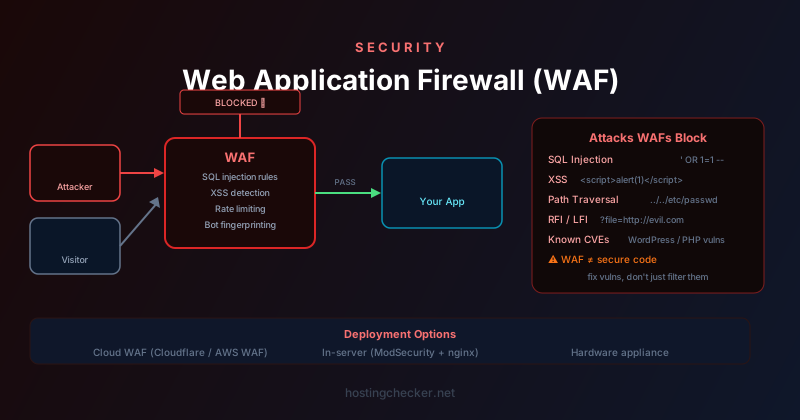
WAFs filter HTTP traffic before it reaches your application. Learn how they work, what attacks they block, the difference between network WAFs and application WAFs, and when you need one.
Read more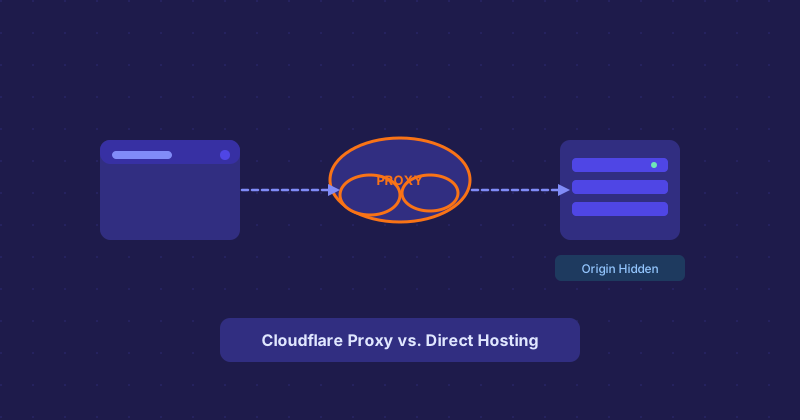
A lot of hosting lookups return "Cloudflare" even when the site is not hosted at Cloudflare. Here is what is going on and how to dig deeper.
Read more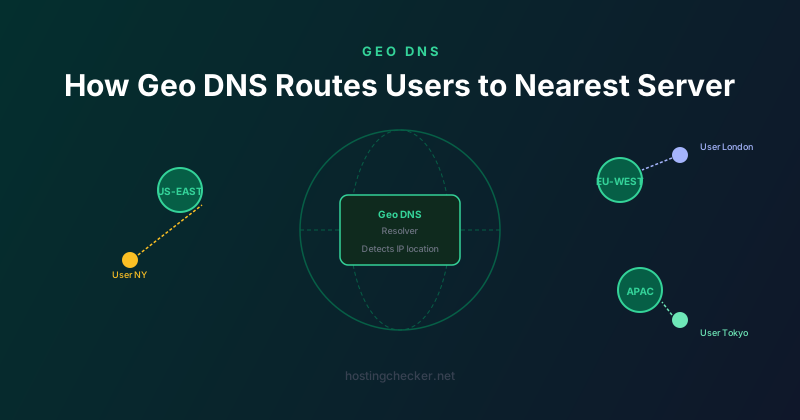
Geo DNS routes users to the nearest server based on their IP location, reducing latency and improving reliability. Here is how it works under the hood.
Read more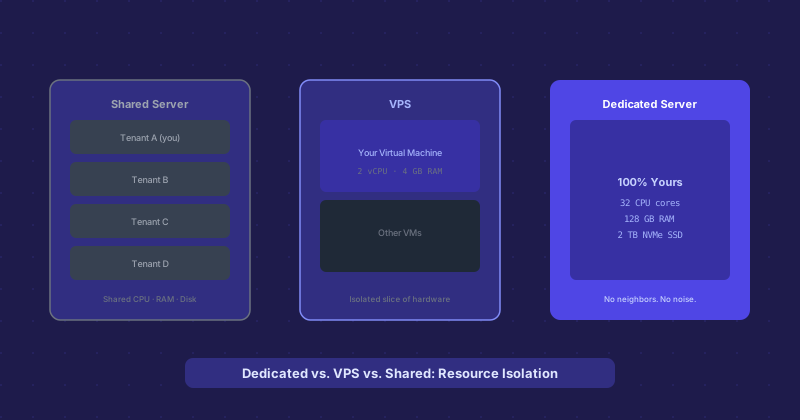
A dedicated server means one physical machine entirely to yourself. No neighbors, no shared resources. Here is who needs that level of isolation and what it costs.
Read more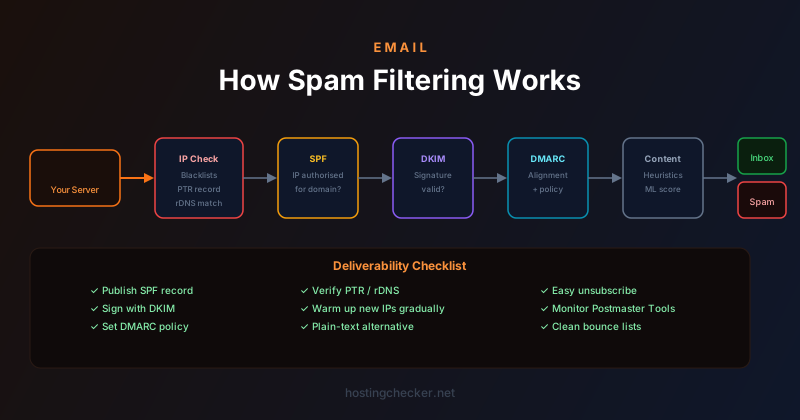
Getting email to the inbox is harder than it used to be. Learn what happens to a message after it leaves your mail server, how spam filters evaluate it, and what you can do to improve deliverability.
Read more
You can figure out who hosts a website in under a minute. Here are three reliable ways to do it, no technical background needed.
Read more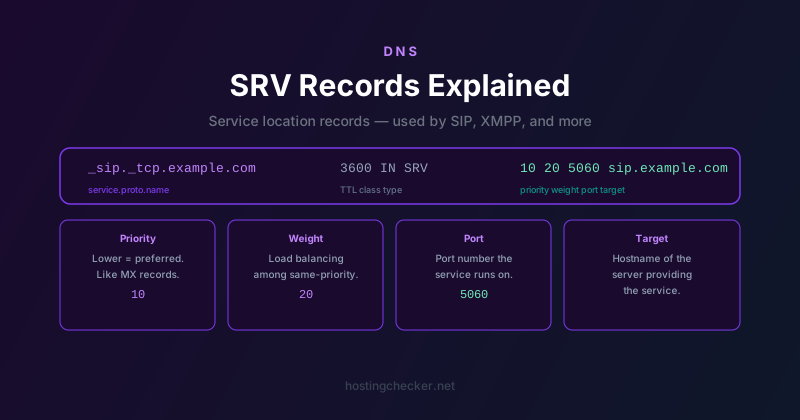
SRV records tell clients which server and port to use for a specific service like SIP, XMPP, or Minecraft. Here is how to read, write, and use them.
Read more